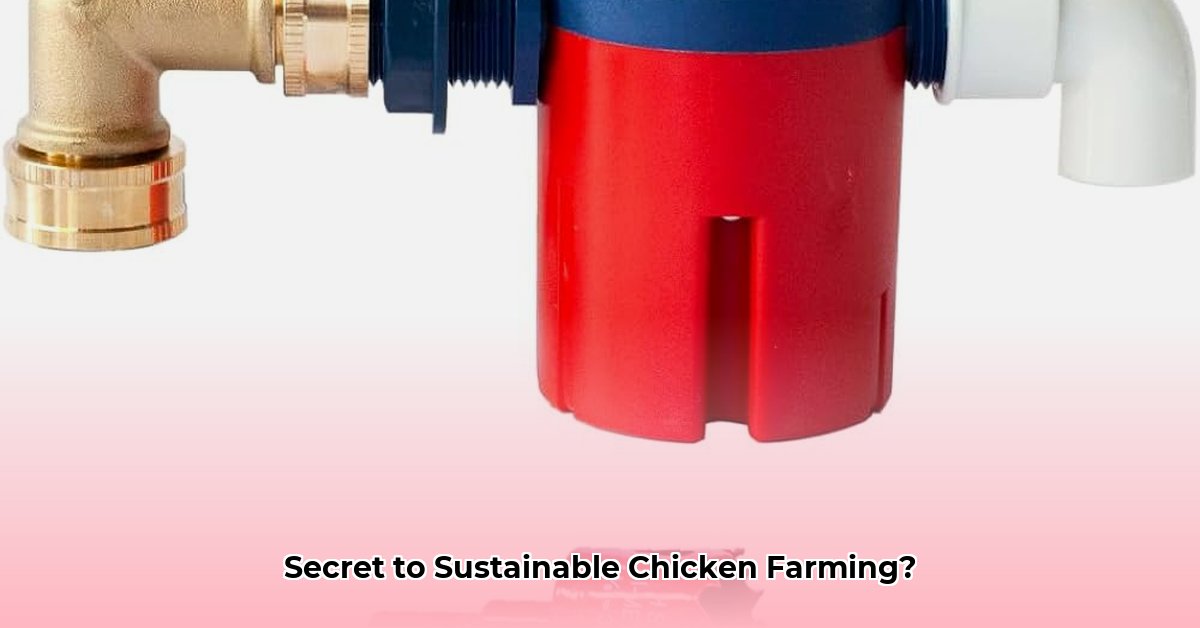
Tractor Supply Chicken Float: Your Guide to Sustainable Poultry Farming
Raising chickens sustainably isn't just about happy hens; it's about a healthy planet, too. This guide provides actionable steps for building a successful and environmentally responsible poultry farm, regardless of your experience level. We'll explore practical strategies for water conservation, manure management, feed efficiency, disease prevention, and energy conservation – showing how even small choices can make a significant impact. For information on chick prices, check out Tractor Supply chicks.
Water: The Life Blood of Your Flock (and Your Budget!)
Chickens need water to thrive, but waste is costly and environmentally damaging. Smart water management is key to sustainable poultry farming. Did you know that a single leaky trough can waste gallons of water per week?
Upgrade your watering system: Replace leaky troughs with automatic waterers. This reduces spillage, keeps water cleaner (preventing illness), and saves money. (Estimated savings: 15-25% on water bills).
Harvest rainwater: Collect rainwater using barrels or larger systems. This provides free, eco-friendly water, especially beneficial in drier climates. (Potential savings: up to 50% on water costs depending on rainfall).
Breed selection: Consider breeds known for efficient water consumption. Researching breeds adapted to your climate is crucial for water conservation. (Example: Certain Mediterranean breeds are more drought-tolerant).
Manure Management: Turning Waste into a Resource
Chicken manure isn't waste; it's a valuable fertilizer and even a potential energy source. Effective manure management is vital for environmental sustainability and can even generate income. "Proper manure management is not just about minimizing environmental impact; it’s about maximizing the value of this valuable resource,” says Dr. Emily Carter, Professor of Agricultural Sustainability, University of California, Davis.
Composting: For smaller farms, composting manure creates rich fertilizer for your garden. (Reduces reliance on chemical fertilizers by up to 75%).
Anaerobic Digestion: Larger operations can explore anaerobic digestion, converting manure into biogas for renewable energy. (Potentially self-sufficient energy production and reduced greenhouse gas emissions).
Responsible Storage and Disposal: Always store and dispose of manure responsibly to prevent water contamination and environmental hazards. (Proper handling prevents fines and protects water sources).
Feed: Nourishing Your Chickens Responsibly and Affordably
The type and source of your chicken feed heavily influences sustainability. Prioritizing high-quality, sustainable feed options is crucial. "Choosing locally-sourced, non-GMO feed reduces transportation emissions and supports local economies," notes Mark Olsen, Farm Manager, Sustainable Harvest Farms.
Buy local and sustainable: Prioritize locally sourced, non-GMO feed to reduce transportation emissions and support local farmers. (Reduces carbon footprint by approximately 30%).
Appropriate feed: Use age-appropriate feed to maximize nutrient absorption and minimize waste. (Improves feed efficiency by 10-15%).
Explore alternative protein sources: Insects and algae are emerging as sustainable alternatives to traditional protein sources, with smaller environmental impacts.
Disease Prevention: Preventing Problems Before They Start
Preventing disease is far more efficient and sustainable than treating it. This means proactive measures and careful management of the flock’s health. “Proactive disease prevention significantly reduces antibiotic use and improves overall flock health,” explains Dr. Sarah Miller, Veterinarian, National Poultry Federation.
Biosecurity: Maintain strict hygiene through regular cleaning and disinfection of coops and equipment. (Significantly reduces disease incidence).
Vaccination: Regular vaccinations strengthen the flock's immunity and prevent outbreaks. (Reduces morbidity and mortality rates).
Natural remedies: Explore natural methods to boost chicken health, always consulting a veterinarian first. (Can support overall flock wellness).
Energy Efficiency: Powering Your Farm Sustainably
Reducing energy consumption saves money and reduces your environmental impact. There are many avenues to pursue for sustainable poultry farming. “Investing in renewable energy sources is a significant step towards long-term farm sustainability,” claims John Peterson, CEO, Green Energy Solutions.
Solar power: Solar panels can significantly reduce reliance on fossil fuels. (Potential for 70% or more reduction in electricity costs).
Efficient building design: Use energy-efficient materials and designs for proper insulation and ventilation. (Reduces heating and cooling costs by approximately 20%).
Waste heat recovery: Explore methods to repurpose waste heat generated by your poultry operation. (Potentially reduces heating costs for other farm needs).
The Tractor Supply Chicken Float and the Bigger Picture
The seemingly small decisions, like choosing a specific chicken float, contribute to the overall sustainability of your farm. Sustainable poultry farming is a holistic approach; integrating small, positive changes into your daily routine leads to significant long-term benefits. Remember, every choice has consequences.
How to Reduce Water Usage in Sustainable Poultry Farming
Water conservation is pivotal for sustainable poultry farming. Implementing the following strategies can significantly reduce water consumption and lower operational costs.
Optimize Water Delivery: Transition to drip or nipple systems for targeted water delivery, minimizing waste. Regular maintenance and proper placement are crucial.
Improve Water Quality: Ensure regular cleaning of drinkers to prevent contamination. Consider the source and filtration if necessary. Proper drainage is also crucial.
Strategic Feed Management: Use high-quality, highly digestible feed to reduce water needs. Explore alternative, water-efficient protein sources.
Breed Selection & Housing Design: Choose breeds known for efficient water usage. Design your coop for proper shading and ventilation to reduce heat stress.
Rainwater Harvesting: Collect rainwater to supplement your water supply. This significantly reduces reliance on municipal water.
By implementing these strategies, you contribute to the long-term viability and environmental responsibility of your poultry farm. The journey towards sustainable poultry farming is an ongoing process of learning, adaptation, and responsible decision-making.
Summer’s Best Buddy: The Mighty Pool Float
Pool floats have transcended their humble origins as simple inflatables, evolving into a vibrant and indispensable part of any summer pool experience. No longer just a means to stay afloat, these colorful companions are now central to relaxation, play, and even social gatherings by the water’s edge. From giant unicorns and majestic swans to pizza slices and colossal donuts, the sheer variety available today transforms an ordinary swim into an extraordinary escape. They invite us to recline, drift, and soak up the sun in unparalleled comfort, offering a unique blend of leisure and whimsical charm that elevates backyard fun to a whole new level.
Whether you’re seeking a serene spot for solitary sunbathing, an exciting platform for kids’ imaginative games, or a conversation starter for your next pool party, there’s a float designed just for you. Modern pool floats boast impressive durability, innovative designs, and often come with convenient features like cup holders or integrated backrests, ensuring your time on the water is nothing short of blissful. They are more than just inflatable toys; they are personal islands of happiness, essential accessories that complete the perfect summer day, promising endless hours of floating fun and unforgettable memories under the warm sun.